



Follow:
G-NZ98NRF0Q8
    Home Improvement and DIY

    The Must-Do Plumbing Checklist for New Owners of Older Homes

    Free Cottage Trees photo and picture

    So, you’ve fallen in love with that charming old house—the one with all the character, the beautiful moldings, and the solid bones. These homes offer so much character so many visions, and it’s like taking a step back in time when you walk through each room, right?


    But before you start envisioning your vintage furniture in every room, there’s something crucial that often gets overlooked: the plumbing. Yep, old houses come with old plumbing, and that can mean a host of potential problems if not addressed early on. Technically, old houses come with a lot of issues that go beyond just the indoor plumbing, like the electrical wiring, the foundation, the gas, and so on. But right now, the plumbing might be the biggest issue of them all.
    So, with that all said, let’s talk about the essential plumbing changes you should consider when owning or buying an old house.
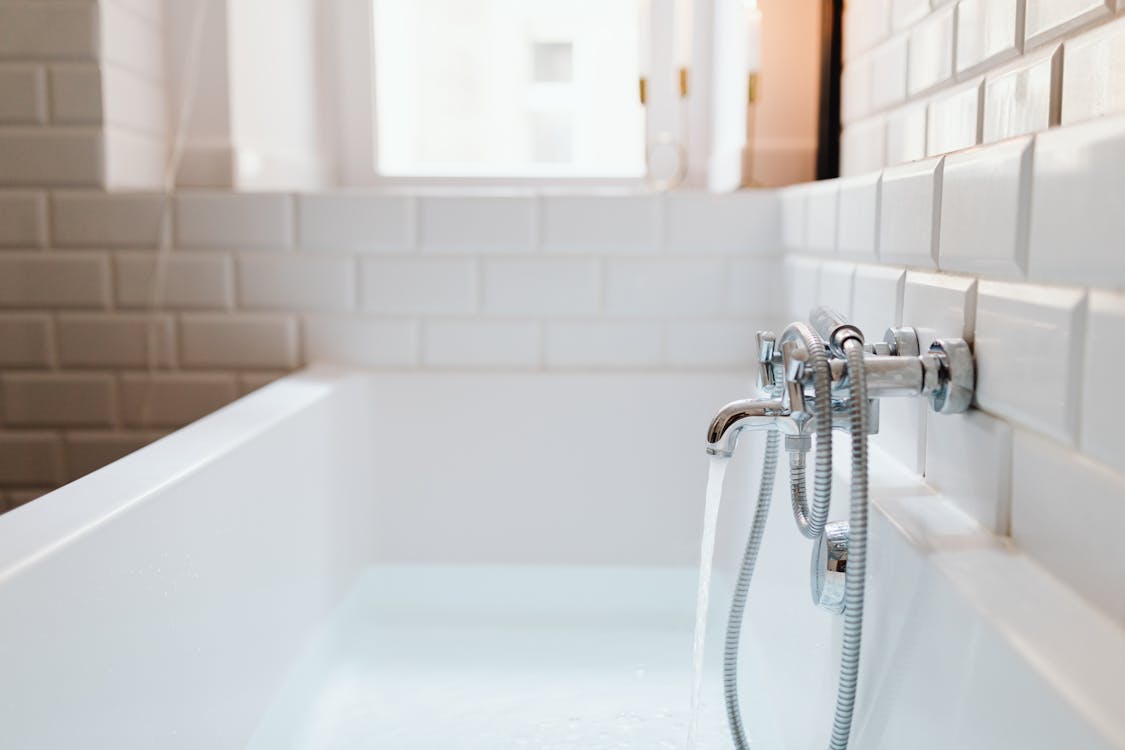
    Free Stainless Steel Faucet Mounted on Ceramic Tiles Stock Photo

    Assess the Plumbing Material

    The first thing to consider is the material of the existing pipes. Now, you really need to keep in mind that older homes might have plumbing made of galvanized steel, lead, or even cast iron. While these materials were once standard, they don’t hold up well over time. That’s surprising, right? So, galvanized steel pipes, for example, are prone to corrosion and can lead to reduced water pressure and rusty water. Lead pipes, which were banned for water supply in the 1980s, are a major health hazard and should be replaced immediately if found. If your old house still has outdated plumbing materials, replacing them with copper or PVC is a wise investment.
    Sometimes there doesn’t need to be a lot of upfront cost, for example here in Kentucky there are a lot of resources to help homeowners remove lead pipes from their home and this can also include lessening the financial burden too due to the large health risks that these have.

    Upgrade the Plumbing Fixtures

    Another area that often gets overlooked in old homes is the plumbing fixtures. Those antique faucets and clawfoot tubs might look amazing, but they could be hiding serious problems. So, it’s so important to understand that old fixtures are often less efficient, leading to higher water bills. They may also be more prone to leaks, which can cause water damage and mold issues over time.
    Ideally, it’s just best to go ahead and consider upgrading to more efficient, modern fixtures. You’re going to want to look for WaterSense-labeled products, which are designed to save water without sacrificing performance.

    Check for Hidden Leaks

    The scary thought is that old homes often have hidden leaks that can go undetected for years. While homeowners will question why their water bill is so high, many will just assume that their water company upped the price.
    But this is a big deal, not just for your wallet but for the whole house in general. These leaks can cause serious damage to the structure of the house, not to mention the potential for mold growth. One of the most common (and potentially damaging) types of leaks in old homes is a slab leak.
    Why is this a big deal? Well, it can lead to water seeping into the foundation, causing it to crack and settle unevenly. This does far more damage than rain could ever do, so if you’re even slightly suspicious of this, then you’ll need to look into slab leak repair ASAP because fixing your foundation is far more expensive than fixing your plumbing (sometimes hundreds of thousands of dollars).
    When plumbing problems in an older home are difficult to identify or have already caused visible damage, a professional assessment can help determine what needs to be addressed before the issue becomes more extensive. This can be especially useful when leaks, aging pipes, or other underlying problems require more than a simple repair. Homeowners looking for professional help with these kinds of plumbing concerns can turn to Beehive Plumbing for plumbing repairs and other residential plumbing services.

    Install a Water Filtration System

    Chances are, the water quality in older homes might not be up to modern standards. So, this was already mentioned above but pipes can leach contaminants into the water, and older homes might have water supplies that aren’t as clean as they should be (especially due to the quality of pipes).
    It’s a good idea to look into installing a whole-house water filtration system that can help ensure that the water coming out of your taps is safe and clean. You can easily buy one of these from Amazon and install it yourself.

    Don’t Forget About the Insulation

    Finally, if you’re dealing with old plumbing, don’t forget about insulation. Old homes are often drafty, and the pipes might not be adequately insulated. This can lead to frozen pipes in the winter, which can burst and cause extensive water damage. If you’re from Kentucky, then you’re probably more familiar with the freezing temperatures, especially in January and February, and busted pipes can get really expensive to fix.
    Want more inspiring ideas?
    Sign up for a weekly highlights newletter with all the latest posts!
    Your email is always protected.

    Share:
    Home Improvement and DIY

    Home Ownership 101: How to Unblock Your Outside Drain

    Welcome back for another post in my home ownership 101 series! Over the years I have made keeping our home safe and dry and top priority. I learned the hard way many years ago that keeping drains and gutters clear is an absolute necessity to avoid problems with moisture and leaks. If you want your home to run efficiently 24/7, then you need to have a clear drainage system inside and out.

    Free Frozen Water on Drain Spout  Stock Photo

    Unfortunately, most people ignore the signs of a blocked drain, believing it might not a real problem to deal with or that it will just clear on its own. Unfortunately, you might not know it’s a problem until it’s too late, so that’s why prevention is key.

    Read more

    Share:
    Home Improvement and DIY

    Budget-Friendly Kitchen Remodels: How Flat-Pack Solutions Create High-End Style for Less


    A kitchen remodel is one of the biggest upgrades you can give your home, but it often comes with a scary price tag. That dream of sleek new cabinets, a better workflow, and a fresh, modern look can feel totally out of reach when you see quotes for custom cabinetry. Luckily, there’s a brilliant solution that puts a high-end kitchen within your grasp for way less money: flat-pack cabinets.

    What Exactly Are Flat-Pack Kitchens?

    You’ve probably heard the term before, but what exactly are they? A flat-pack kitchen means the cabinets and all their bits and pieces arrive at your door in a box, ready for you to assemble. Think of it like IKEA furniture, but designed specifically for your kitchen. Each box holds all the panels, hardware (like hinges and screws), and detailed instructions you’ll need to assemble it.


    The main idea is simple: by building it yourself (or having a handyman help), you cut the big labor costs that come with pre-assembled or custom-built cabinets. This DIY approach is key to saving a ton of money without compromising the final look.

    The Big Wins: Style and Savings Combined

    The biggest perk of going the flat-pack route is the amazing value. You can get a kitchen that looks just as good as expensive designer ones, but for a much smaller investment. Many companies now offer stylish, affordable kitchen flat packs that follow the latest trends, from classic shaker-style doors to sleek, handle-free designs. The savings come from two main places: more efficient manufacturing and cheaper shipping of unassembled cabinets.

    These savings go straight into your pocket. This means you can put more of your budget towards other important things like countertops, appliances, or that eye-catching backsplash. A beautiful kitchen renovation is all about bringing different elements together, and flat-pack cabinets free up the cash to do it right.

    Customization Without the Custom Price Tag

    One of the biggest myths about flat-pack kitchens is that they’re a “one-size-fits-all” deal with no room for your own style. That’s just not true! While you start with standard-sized cabinet boxes, you have plenty of customization options. You can mix and match different cabinet sizes and types, like pantry units, corner cabinets, and drawer bases, to create a layout that fits your space perfectly.

    The real personal touch comes with the finishing details. You get to pick:

    • Doors and Drawer Fronts: Choose from a huge variety of styles, colors, and finishes.
    • Hardware: Cabinet pulls and knobs are like jewelry for your kitchen. This is an easy and affordable way to show off your personality.
    • Benchtops: Pair your flat-pack cabinets with any countertop material you fancy, whether it’s laminate, quartz, or butcher block.

    Tips for a Smooth DIY Installation

    Putting together a flat-pack kitchen is a totally doable project for someone who’s comfortable with DIY. A little preparation goes a long way toward a smooth install. First, measure your space meticulously, at least twice, before you order anything. Remember to account for windows, doors, and any existing plumbing or electrical outlets. When your boxes arrive, check everything to make sure you have all the pieces before you start.

    Set up a dedicated assembly area and build the cabinets one by one. It’s often helpful to build all the base cabinets first and get them in place before moving on to the wall units. While the assembly itself is pretty straightforward, making sure the cabinets are perfectly level and securely attached to the wall is super important. Taking your time here will really pay off and help you achieve a high-end look. If you’re not comfortable with plumbing or electrical work, it’s always best to call in a licensed professional for those final connections.

    Finding the Right Flat-Pack for Your Home

    Not all flat-pack systems are created equal, though. Quality can really differ between manufacturers, so it’s smart to do a bit of homework. Look at the materials used for the cabinet boxes; particleboard with a melamine finish is common, but you might find higher-end options using plywood. Pay attention to the hardware, too, because durable hinges and smooth-gliding drawer runners make a huge difference in how much you enjoy using your kitchen every day.

    Reading reviews and joining online forums can give you amazing insights. Homeowners are usually happy to share their experiences and talk about the pros and cons of different brands, helping you find the most cost-efficient flat pack kitchen cabinets that also meet your quality expectations.

    A beautiful, functional, and affordable kitchen is absolutely within reach. With flat-pack solutions, you can take charge of your renovation budget and create a space you’ll love for years to come.

    Share:
    Home Improvement and DIY

    Six Telltale Signs it’s Time to Replace Your Roof

    Your roof is the threshold of your home, tirelessly protecting you from the elements every day. But even tough roofs wear down over time and ignoring signs of trouble could cost more in repairs or even cause structural damage to your property. Knowing when it’s time to replace your roof can make all the difference, from subtle indicators to more obvious warnings. In this blog, we will look at some of the telltale signs it might be time for an upgrade. Read more

    Share:
Subscribe