
Sometimes, no matter how well-designed your rooms are, something doesn’t quite feel right. And it’s not always something you can spot, like a sofa out of alignment with the rest of the room or other furniture, or an oversized sideboard swallowing the room. It’s likely to be something more understated that throws the whole room off slightly.
If this feels familiar and you want to make some simple changes that help you create a more put-together room, this post has a few tips that can help.
Create a Focal Point
One of the best ways to tie a room together is to have everything connected to or complementing a focal point. A focal point is the one place in a room that draws attention, such as a lovely, large mirror. In living rooms, this will be something like a fireplace, a piece of artwork, or one wallpapered wall when the rest are painted. In a bedroom, this can be a statement headboard, or your vanity, or again something on the wall that commands all eyes to gravitate towards it.
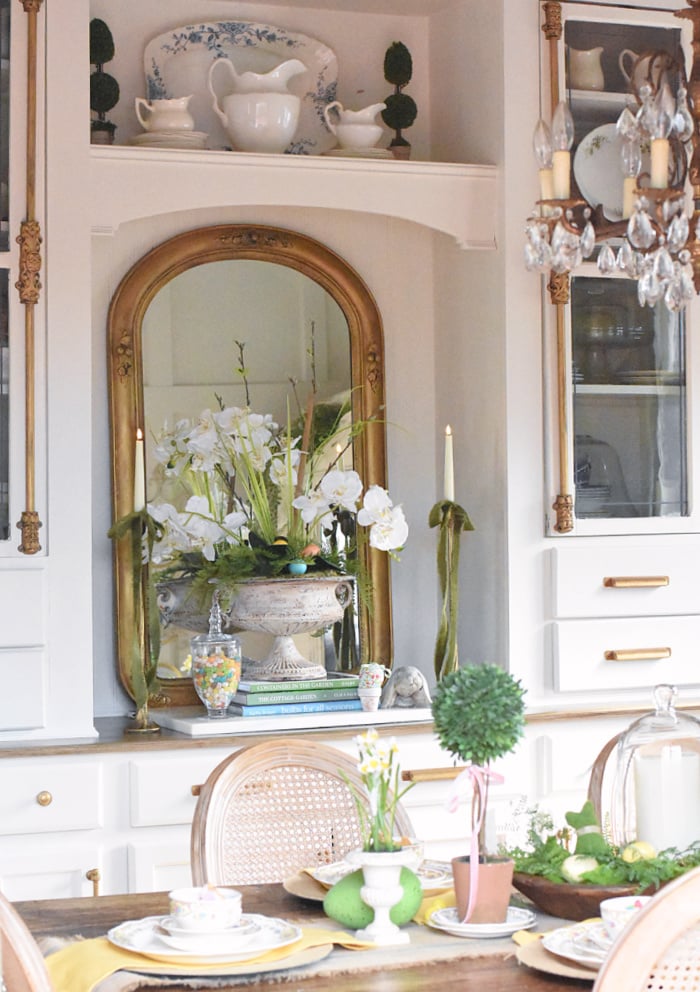
Once you have your focal point, then you need the rest of the room to complement it. This includes furniture arrangement, lighting accessories, etc., all directions and choices that work in cohesion with your focal point, so the whole room feels intentional, not chaotic or random.
Get Proportions Right
Something else that might be impacting the room is the size of the furniture in it. Scale is one of the hardest things to get right in a room, but it matters a lot. If a sofa is too small for your living room, it will float in the space, and a rug that doesn’t quite reach the foot of your sofa can make the seat look unanchored.
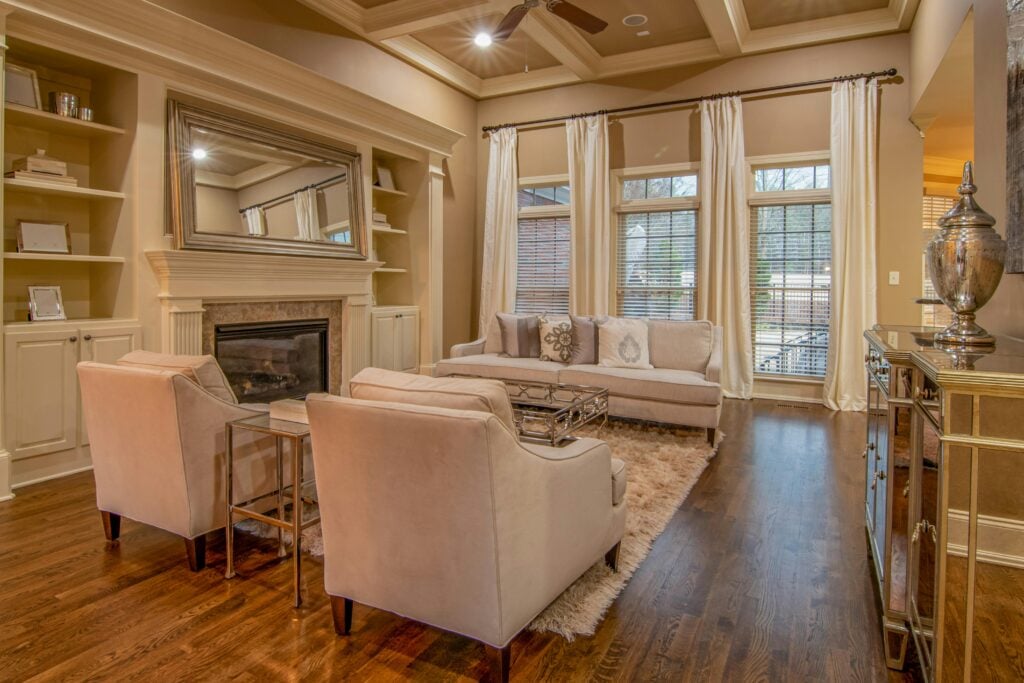
The same goes for furniture in other rooms too, a too-big dining table or chairs that are too small for your dining table. A vanity taking over the bathroom, etc. So, whether you’re choosing a new sofa, tv stands, medical consoles, rugs, or even lighting, make sure they’re the right size for the room and measure up the space and the item before purchasing to ensure it’s right.
Add Layered Lighting
One single overhead light makes a room feel flat faster than anything, and you can really detract from the ambience and feel you’re going for by neglecting how you light the room up.

For layered lighting, you need a combination of ambient, task, and accent light sources. This is what gives a room its depth of warmth and makes it somewhere you want to spend time in. In a living room, this looks like a floor lamp in a corner, table lamps on side tables, es and potentially some accent lighting to highlight artwork or pictures on a wall.
Bring in Texture and Color
Texture is what stops a room from feeling like a showroom. You need a mix of both hard and soft surfaces to balance your room — a linen sofa, a woolen rug, and a timber side table are good examples.
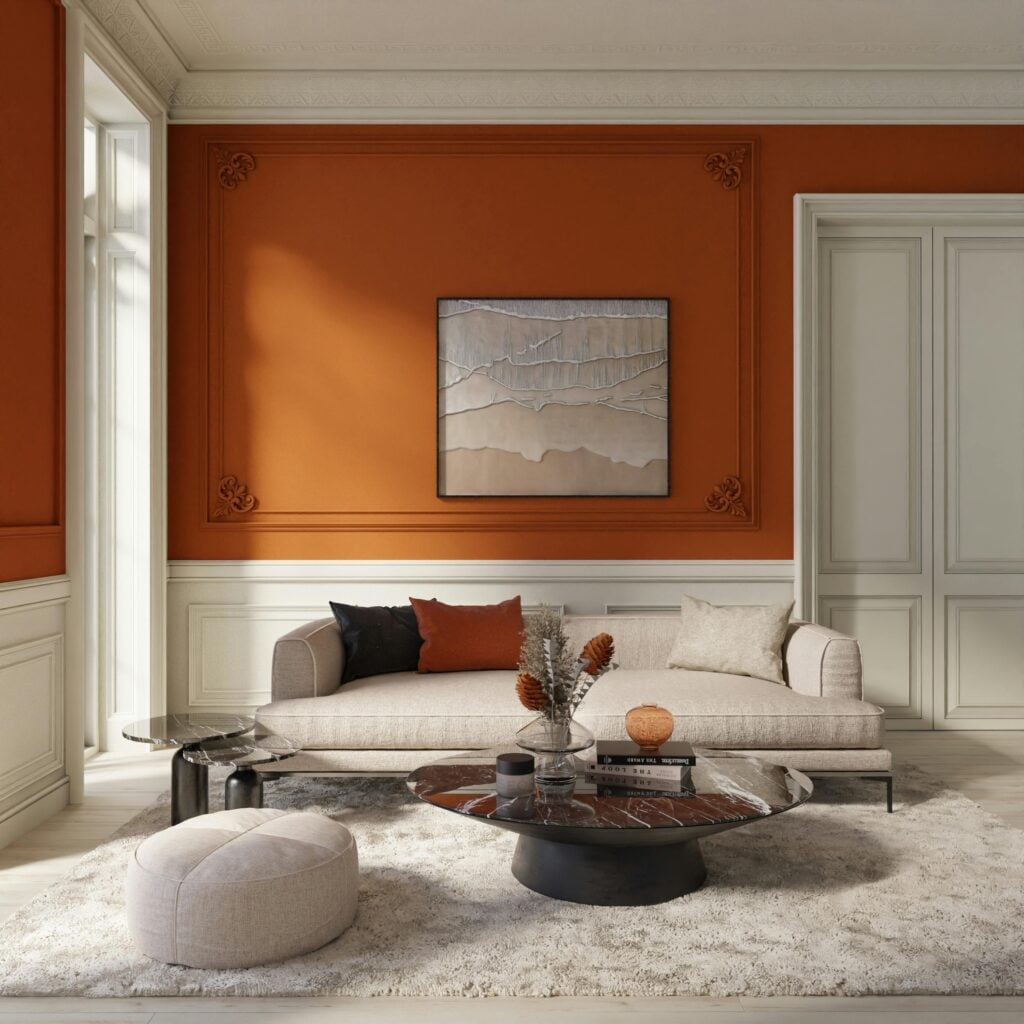
Color works the same way. If your room is decorated solely in neutrals, it can feel calm but lifeless. But a single accent color threaded carefully in cushions or in artwork gives that little something for the eye to land on.
You don’t need much; you need some well-placed items to bring in an accent color. Don’t introduce too many simple, small details so that it works without overpowering the room.
Add Scent
Scent is the most underused tool in home decorating. But it’s also really powerful. The smell of a room can shape how people feel about it before they set foot in or even register anything else about the room. You can use non-toxic candles, essential oil diffusers or natural simmer pots to creating a comforting and welcoming scent.


No Comments