
When it comes to gardening, people assume you need a big garden to grow anything worth talking about. A huge lawn, raised beds, a complete picture perfectly set up. But honestly, that’s not exactly true, and many people with stunning gardens are working with much smaller spaces — a balcony you can barely turn on, a narrow patio, or a corner in a backyard that doesn’t get any sunlight. Potted gardens can be stunning and much easier on the gardener’s back!

Because once you see the potential in the space and remove the idea of a “perfect garden” from your mind, you can actually do quite a lot with just a little
Start with Light, Not Layout
Everyone automatically goes to the pots and plant lists to try to fill the space strategically. But the trick for smaller spaces is to work with the light first. It’s worth just watching the space you’re going to be putting your plants in for a day or so to understand how the light moves around throughout to day to be sure it suits your plant’s needs/
If you’re using a balcony, remember, the rails will likely impact the amount of light you get as they will create shadows, and some countries might get blessed with sun in the morning and are then shade-drenched spaces post midday.
It’s important to place sun-worshipping plants where they’re going to thrive, and shade loving beauties where they’re going to be happiest and not baking in direct sunlight.
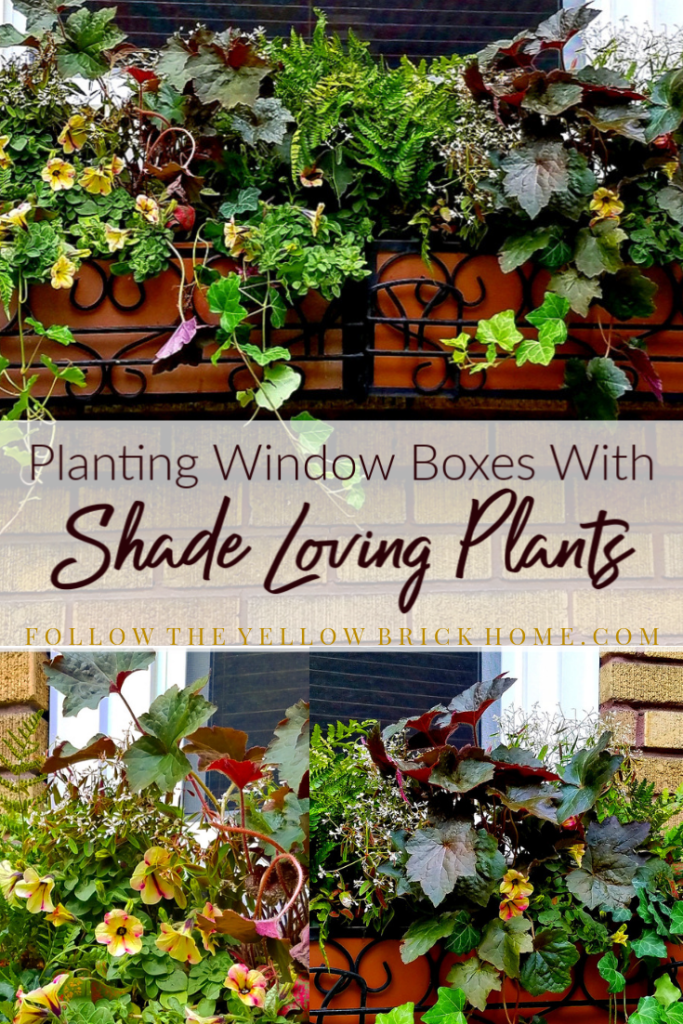
Once you have this sorted, everything else will fall into place — taller plants at the back, shade lovers tucked away in corners or by walls, and smaller pots with the sunlight lovers right at the front to capture the rays.
Choose Plants That Respect The Space
Some plants just do not care about your square footage, or rather, lack of it. They sprawl, they grab space, and they behave like they own the place. Squashes and courgettes are the worst for this behaviour, and tomatoes too (variety depending). You need to choose plants that stay in their lane.

Compact herbs, dwarf peppers, and lettuce varieties that hug the pot. Determinate tomatoes that don’t go wild. Pick mini cucumbers and plants that give off flavor or color without demanding the whole patio/balcony/small space you have for them to live.
And if you want a bit more personality, this is where specialty seeds slide in nicely. Tiny gardens benefit from unusual cultivators — odd foliage shapes, compact growth habits, colours you don’t find in the local garden center. They add detail. And in a small space, detail hits harder than size.
Let Containers Do The Heavy Lifting
Containers are everything in a small garden or growing space. They’re basically your soil, your structure, your entire plan. But most people buy them like decor — whatever looks pretty — and then wonder why nothing thrives. You need something lightweight enough to move, big enough to matter. Terracotta looks dreamy but dries out fast. Plastic holds water better but flips in the wind if it’s too light. Fabric pots are underrated — good airflow, easy to shift, and they don’t crack in winter.

The best part is the freedom they give you to change your mind, move a plant into better sun, shuffle things around when the pot starts hogging the view, lift something out of the way when the patio feels cramped. Big gardens don’t give you this flexibility.
And if your space is narrow, grow upwards. A tower of pots, a slim shelf, and anything that stacks without feeling cluttered.
Soil Will Make Or Break Things
Bad soil shows immediately in a small garden; you want to get away with shortcuts here. And containers don’t have the same wiggle room or depth as the ground does. You need everything the plant needs to thrive right there in that pot.
So, use a proper potting mix — not garden soil. You want something that drains but doesn’t starve the roots. If the mix feels heavy, add perlite. If it feels too light, blend in compost and refresh the top few inches each season. It doesn’t take too much time, but you’ll see the difference.
Simple feds work fine here, too. A balanced fertiliser every couple of weeks keeps growth steady. Nothing fancy, just consistency.
Watering Is a Routine, Not Guesswork
Something that a lot of people don’t realise is that small containers can dry out really quickly. Sun traps get hot enough to cook the soil, balconies are wind tunnels, and this means watering needs to become a daily check — short, quick, and regular.
Don’t trust the surface either. Stick a finger into the soil a couple of inches. If it’s dry, water; if not, leave it. That rhythm stops issues before they start.
If you want to make life easier, try self-watering pots, as these will help keep the soil moist evenly without drowning anything. Particularly helpful on hot days when containers can dry out faster.
Vertical Growing for the Win
Vertical gardening is about more than a cute Pinterest trend, and in tiny spaces, it’s the one thing that can change everything. Walls, fences, railings — wasted space if you don’t use them.
Pick climbing beans, peas, cherry tomatoes, nasturtiums, and small pumpkin varieties — they’ll all climb if you give them a structure to work with. Use bamboo stakes tied together. A wired grid or a bit of trellis. Whatever fits. Suddenly, the garden has a new direction to grow in.
And honestly, the space will feel bigger. Plants won’t be overwhelming the floor; the air will move better, meaning mildew will be less of a headache, too. And you see more of your garden around eye level, and you won’t be sacrificing your walking space, regardless of where you’re growing everything, be it a small patio, a balcony, or even a window box.


No Comments