
With the increase in natural disasters and storm world wide, it has become more apparent than ever that preparing our homes to be st0rm ready to the best of our ability should be a top priority. Here are some important tasks to take care of around your home, inside and out so you will be ready if disasters strikes.

Do a Quick Inspection
The first thing that you need to do is to inspect the outside of your property for any signs of risk that are obvious and preventable. There are all kinds of things that could cause damage including loose roof tiles, damaged fences and crumbling brickwork. These are the areas where bad weather could cause some damage and cause a risk to your home and your family so you should take care of them at the earliest possible opportunity.
Keep Your Home Sealed
When the wind starts to pick up, you want to make sure that your home is sealed tight so you keep any unwanted draughts out. Wind speed can put a lot of pressure on a range of different aspects of the building, so you should keep the property well-sealed on the outside. Check all the exterior corners and outdoor water faucets. Also, you should seal up any gaps in the foundations with caulk to protect your home from cold air and water.
Up on the Roof
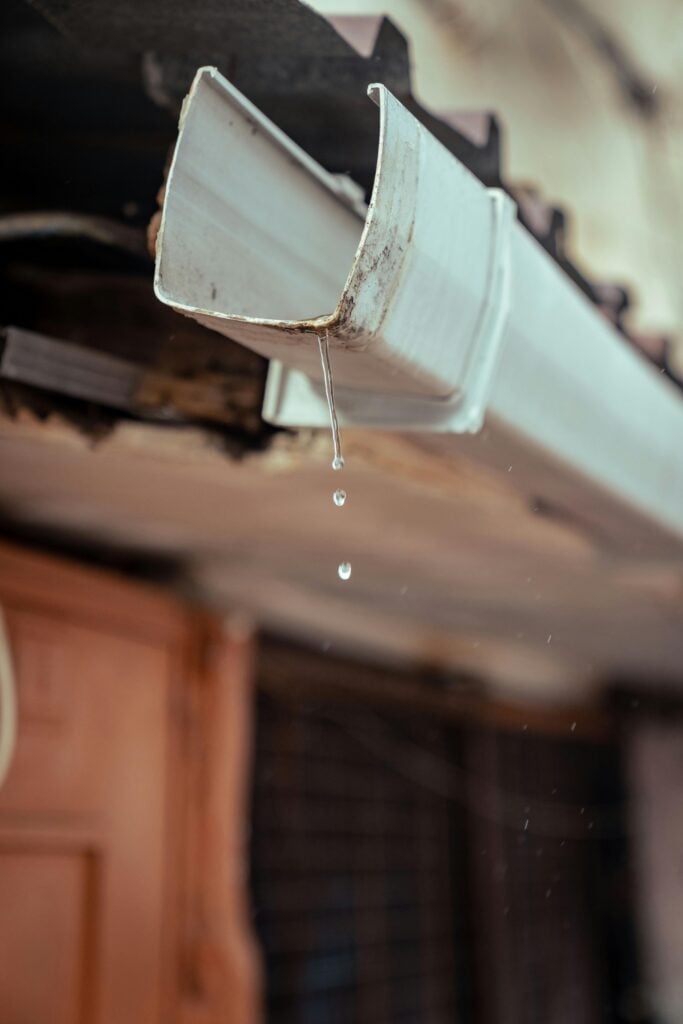
Obviously, the roof is one of the most exposed parts of any home, so it needs to be well-secured to defend it against stormy conditions. Inspect it from the ground or inside your loft so that you get a view of any issues that may arise. You could call in the specialists for gutter cleaning to ensure rainwater can flow off properly. What you are looking out for includes mold, rusty nails, saggy material and any signs of leakage. Also look out for damaged guttering.
Watch Your Windows
When the wind is howling outside and your windows start to shake, you may feel like they are about to break at any time. A simple solution is to draught-proof them using a sealant. You can also give your entry doors an added layer of security with hinges and locks. If you are especially worried that flying debris could crash through your windows at any moment, you can give them an added layer of protection with some plywood.
Check for Any Unsecured Garden Items
All kinds of garden items can cause problems in high winds including chairs, tables, umbrellas and even trampolines! Make sure you store everything that is at risk of blowing away inside a garden shed or at least ensure that it is well-secured. Trim back any trees with overhanging branches and double check your garage doors are strong enough to be able to withstand any winds that start picking up so your car is protected.
Prepare the Outside of Your Home
Obviously, it is the outside of your home which is going to end up being hit the hardest. The first jobs which you should do are simple ones such as moving patio furniture, trash cans, potted plants, and anything else which is likely to blow over and cause damage. Try to move them all indoors if possible. Cut back any loose branches which may blow off any of your trees. And make sure that your gutters are clear as these can cause drainage issues. Also, check for sump pump maintenance which will drain away large quantities of water. You can also inspect your roof to ensure that it is secured and sealed, but don’t attempt any work which could be dangerous unless you know what you are doing.
Pay Attention to the Garage
If you have a garage, you may find that the door is more susceptible to high winds than regular doors and windows. If you have the opportunity, you can reinforce it with a brace kit.
Secure Your Car

Now is the time to turn your attention to your car if you have one. Double check that you have a full tank of petrol, your wipers are working, the tire pressures are good, and all the windows are properly sealed. You should also have an emergency bag all packed and ready to go including food and drink, maps, phone chargers etc. Watch where you have parked to make sure that it is not under any trees or an area which is at risk of flooding.

Don’t Forget About Pets
During extreme weather conditions, you should make sure that all your pets stay indoors. Otherwise, you may be able to take them to an unaffected area to stay with friends or family – or else a specific disaster centre. If they are not already microchipped, now may be the time to consider getting this done.


No Comments