
We usually think of gardening as something that’s quite relaxing and can be done at its own pace. But if you’ve ever spoken to anyone who’s been seriously into it, they’ll let you know that sometimes you really have to be timely. But what jobs and projects can’t you afford to put off? Let’s take a look. Creating a successful garden isn’t about constant effort; it’s about thoughtful planning, smart choices, and understanding how nature works in cycles.
Here are eight gardening projects you shouldn’t ignore:
Managing Invasive Plants
Managing invasive plants should be top of your list of jobs you just can’t afford to put off if you’re a gardener. Once these get a foothold, they can be exceptionally hard to remove. Invasive plants are problematic because they disrupt the entire ecosystem. Plus, once they begin to integrate themselves, they can destroy habitats and make it much more challenging to grow the plants you actually want. If you have invasive plants, use herbicides selectively. Make sure you use compounds that destroy these plants down to the roots. Don’t give them any opportunity to come back.
Dealing With Drainage Issues
You also can’t afford to put off dealing with drainage issues. If you get these wrong, you can wind up with flooding and a lot of dead plants. The best way to deal with flooding is to have flood drains around your property and an underground reservoir for storage that drains slowly. This way, you can cut down on the amount of water that ultimately goes into the system and leads to flooding.
The first thing you need to do is to consider the weather where you live and the natural conditions of your garden. If you have poor drainage, you may find your garden is wet or flooded. If you have a lot more sun in your garden, then you may find that it dries out faster. A garden with lots of shade may retain moisture longer. With this in mind, experiment with different watering habits as per the plants that you have, rather than just watering the entire garden the same.
Labeling Your Planting
Another gardening project you can’t put off is labeling all the plants in your garden. If you don’t do this, you’ll lose track of what you’ve put where.
The reason this is critical is because plant location matters a great deal. You need to plant complementary species next to each other. If you don’t, you can wind up in a situation where they’re fighting for resources and nothing really grows as it should.
You will also wonder why some plants are in some locations and not others. It just makes things confusing, especially when all you have is some bulbs buried under six inches of soil.
Cleaning Your Tools
If you’re not cleaning all your gardening tools after you’ve used them, you’re setting yourself up for some real pain in the future. Tool-cleaning is critical to keep everything healthy and in good working order and to prevent the spread of disease between plants.
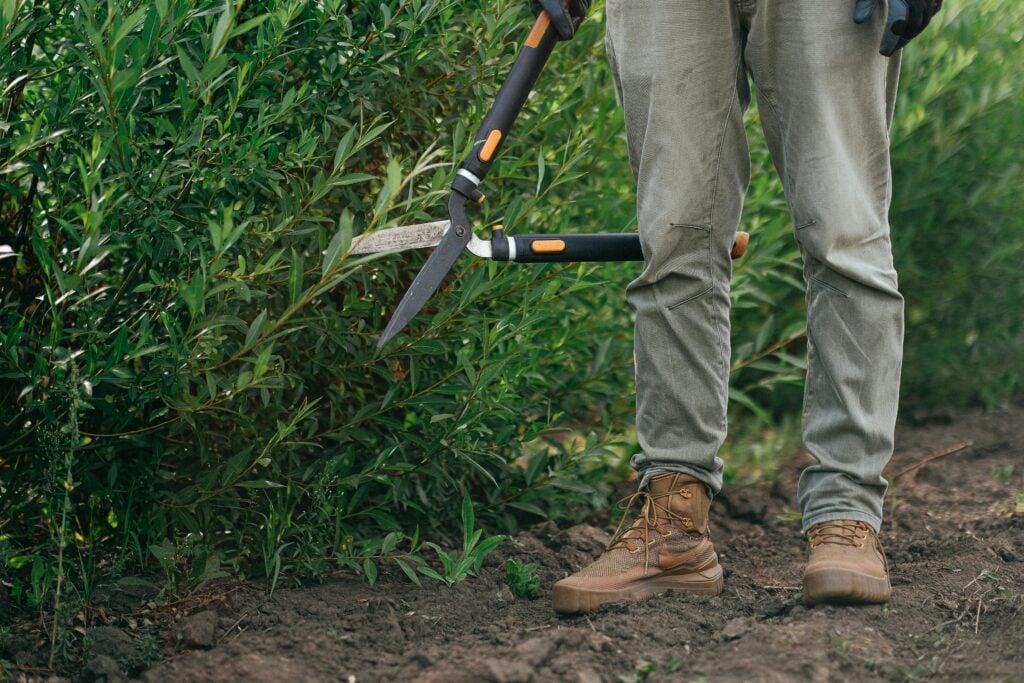
Suppose, for instance, you’ve been gardening in the fall and your rake is covered in wet leaves and mud. Leaving it in the shed in that state will cause it to start rusting immediately. The good news is that all you need to do is wash your tools under some water and then pat them dry with a rag, putting them somewhere dry after use.
Planning Seasonal Maintenance
A successful garden won’t work with last-minute fixes. Instead, it will thrive with intentional plans for each season. When you know what to do and when, and stay consistent, you will find that your garden will look completely different. Testing your soil occasionally can also provide valuable insights. Understanding its pH and nutrient levels allows you to make targeted improvements rather than guessing. Lawn care specialists can help you if you don’t know what to do or where to start. The right kind of company can help you create the right foundation for growth and abundance.
In spring, you want to focus on clearing debris from the winter and prepare beds for new growth. Summer is all about maintenance, so control the weeds and monitor plant health. Autumn is the time for tidying up, planting bulbs and preparing for the cold weather. Winter is perfect for pruning and planning.
Creating a garden that thrives all year isn’t about perfection; it is about knowledge, patience, balance and thoughtful planning.
Removing Trees
You also want to be careful in situations that require tree removal. If the tree is dangerous, then it needs to be taken out of the ground sooner rather than later. If a tree falls over, it can potentially cause a lot of damage.
Removing trees is a professional job usually, so it’s not something you’ll want to do yourself. However, once you’ve gotten rid of it, you’ll feel an enormous weight off your mind. Remember, if you leave a tree in a dangerous position and it hurts someone or damages property, you could be liable.
Amending Soil Before Planting
You also can’t put off amending your soil before planting. Once plants are in the ground and growing, you will have a real job on your hands to correct nutrient imbalances.
Therefore, take the opportunity early in the season to correct the soil. Add the required nutrients and check the pH level. Try to use a combination of natural and store-bought compost to enrich the ground and ensure the plants you want to grow will spring up there. Just be careful not to over-nutrify the soil. Adding too much fertilizer or compounds can actually prevent some species from growing and preferentially select for those you don’t want, like thorns or stinging nettles.
Dividing Perennials
Finally, don’t put off dividing your perennials. These can sometimes grow too densely, preventing any individual plant from flourishing. Dividing perennials is sometimes challenging because they can be quite woody. They can also be difficult to uproot unless you have specialist tools. If plants are too dense, then it is playing against nature and you could wind up with patchiness in the future.
Some of the gardening projects you can’t afford to put off indefinitely. Make sure you get on top of all these quickly to avoid disappointment and things going wrong in your yard space.


No Comments