
Moving to a new home is super exciting, full of possibilities and fresh starts. But amidst all the packing and planning, it’s easy to forget about the environmental footprint a move can leave behind.
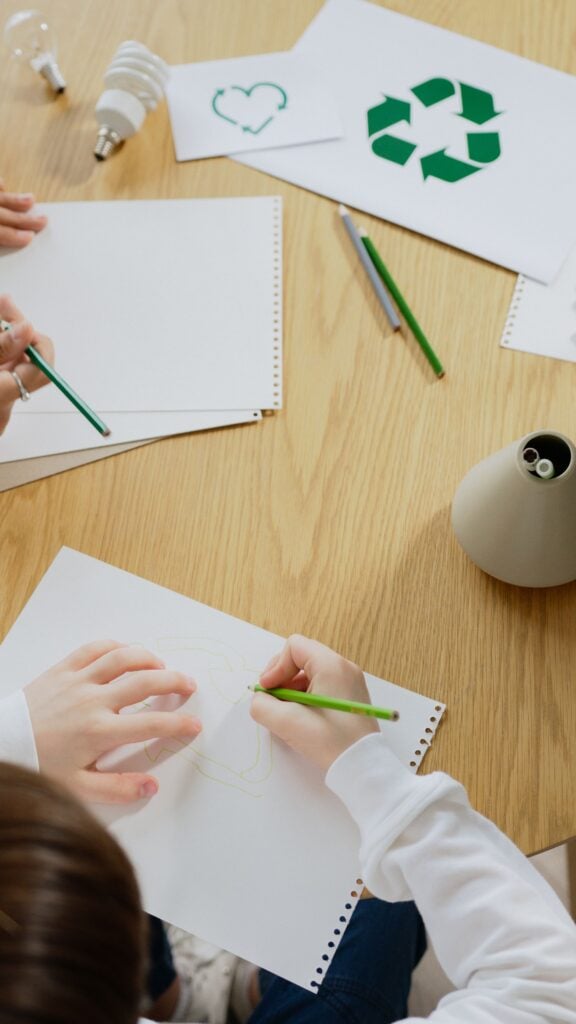
The good news? With just a little intention, you can make your transition much more sustainable. An eco-friendly move isn’t about being perfect; it’s about making small, thoughtful choices that really add up for the planet and help you kick off life in your new space on a green note.
Reducing Waste During Your Move
One of the biggest sources of waste when you move comes from all the stuff we’ve collected over time. Moving is a perfect chance to declutter, but it’s also a moment to be mindful of what you’re getting rid of. The first step toward a greener move actually starts weeks before you even pack your first box. Begin by taking a good look at everything you own. Go room by room and decide what you genuinely need to bring with you. This pre-move purge is super important for cutting down on the energy and materials your relocation will need.
Don’t forget about consumables either. In the weeks leading up to your move, try to eat through your pantry, fridge, and freezer. This helps prevent food waste and means you’ll have less to pack and haul. It’s also smart to hit pause on non-essential purchases. It might be tempting to buy new decor or furniture for the next place, but waiting until you’ve settled in means you won’t move items you might not even have space for. Understanding the environmental impact of moving can be a powerful push to trim down your possessions and start fresh with a lighter load.
Donating and Recycling Old Items
Once you’ve sorted through your belongings, you’ll probably have a pile of things that won’t be coming to your new home. Instead of just tossing them, why not give them a second life? Lots of local charities and non-profits would be thrilled to get your gently used furniture, clothing, books, and household goods. Places like Goodwill and The Salvation Army often even offer to pick up larger furniture items, making it super easy. For clothes and smaller bits, check out local shelters or community thrift stores.
Some items need a bit more specialized handling. Electronics, for example, have hazardous materials and should never go in the regular trash. Many electronics stores, like Best Buy, have take-back programs, or you can find a certified e-waste recycler nearby. The same goes for old paint, batteries, and cleaning supplies. Your local city’s website is a great place to find designated drop-off spots for hazardous household waste. Taking the time to find the right home for your unwanted items not only keeps them out of landfills but also helps out your community.
Sustainable Packing Materials
Cardboard boxes are practically the symbol of moving day, but they really add to the waste. While recycling them is good, using fewer of them in the first place is even better. Think about renting reusable plastic moving bins. Companies all over the country offer services where they drop off sturdy, stackable containers at your old place and pick them up from your new one after you’ve unpacked. This completely gets rid of the need for cardboard and tape.
If you do need boxes, you can often find them for free. Ask at local grocery stores, liquor stores, or big-box retailers, as they often have extra boxes they’re happy to give away. You can also check community forums or social media marketplaces for people who’ve just moved and want to get rid of their boxes.
When it comes to protecting your fragile items, ditch the bubble wrap and packing peanuts. Instead, use what you already have:
- Towels
- Linens
- T-shirts and sweaters
- Socks (perfect for glasses!)
- Comforters and blankets
You’re moving these items anyway, so putting them to work as padding is a smart, zero-waste solution. For any remaining gaps, crumpled newspaper or junk mail works just as well as store-bought packing paper.

Planning for a Smooth, Efficient Relocation
A well-organized move is an efficient move, and efficiency is key to being sustainable. Bad planning can lead to wasted time, extra trips, and unnecessary fuel use. Start by making a detailed moving timeline and checklist. Knowing exactly what needs to happen and when will help you combine tasks and errands, which cuts down on your carbon footprint. When it’s actually moving day, smart packing and labeling will make the whole process as smooth as possible, both for you and for anyone helping out.
Picking the right moving support can really affect how green your move is. Hiring Trusted Movers makes sure you have the right size truck for your belongings, so you don’t need multiple trips in a smaller vehicle. Professional movers are also pros at packing a truck efficiently, maximizing space and securing items to prevent damage, which in turn prevents waste. Their experience with the best routes can also cut down on driving time and fuel, especially for long-distance moves. Letting the experts handle the logistics helps you focus on the other parts of your sustainable transition.
Setting Up Your Green Home
Your commitment to sustainability doesn’t stop when the last box is unpacked. Moving into a new home is a fantastic chance to start green habits right from day one. As you unpack, immediately set up clearly labeled bins for recycling and compost in your kitchen. This makes it super easy to sort waste correctly from the very beginning. When you do your first big clean of the new place, go for non-toxic, biodegradable cleaning products or even make your own using simple things like vinegar and baking soda.
Take a walk through your new home and look for ways to make it more energy-efficient:
- Swap out any old incandescent light bulbs for energy-saving LEDs.
- Check your water heater settings; it often doesn’t need to be on the highest.
- Get to know your thermostat and program it to save energy when you’re out or asleep.
- As you buy new furniture or appliances, try to find secondhand options first or choose products made from sustainable materials with high energy-efficiency ratings.
By bringing these practices into your routine as you settle in, you’re not just having a green move; you’re building the foundation for a sustainable lifestyle in your new home.
Moving will always be a big job, but it doesn’t have to be a wasteful one. By decluttering thoughtfully, choosing reusable materials, and planning for efficiency, you can significantly reduce your environmental impact. These small steps pave the way for a healthier home and a healthier planet.



No Comments