









A garden is so much more than just a bunch of plants. It’s like an extra room for your home just outdoors. When you bring natural stone into your outdoor space, it really grounds the design, giving it a feeling of permanence and classic beauty. Stone has its own unique personality that changes with the seasons, making your landscape feel both thoughtfully put together and completely natural. A winding path or a sturdy retaining wall made of stone adds texture, structure and a clear connection to the earth. These natural elements not only enhance curb appeal but also create inviting spaces perfect for outdoor entertaining and relaxation throughout the warmer months.
Why Choose Natural Stone for Outdoors
When you’re dreaming up an outdoor space, the materials you pick are just as important as the plants. Natural stone really shines here because it’s incredibly tough and looks amazing. It shrugs off harsh weather, from scorching summer sun to freezing winter nights, without cracking, fading or warping like many artificial options. This long-lasting quality means that putting money into stone is like investing in your home’s future, adding lasting value and usefulness.
But it’s not just about strength. Natural stone’s beauty is truly one-of-a-kind. Each piece tells its own geological story through its unique colors, patterns and feel. From the warm, earthy tones of sandstone to the cool elegance of slate or the rustic charm of fieldstone, there’s a perfect stone out there for any garden style. This natural variety ensures your garden will have a distinct personality that nobody else can copy. Plus, using stone is a more sustainable way to do your landscaping. It’s a naturally occurring material that doesn’t need all the intense manufacturing processes of concrete pavers or plastics, which helps lower your garden’s environmental footprint.
Creating Stunning Pathways and Patios
Paths and patios are like the backbone of a garden, guiding you around and creating special spots for chilling out or having fun. Natural stone is just perfect for these areas, offering both practicality and incredible good looks. A winding flagstone path can make you feel like you’re discovering something new as it meanders through flower beds, while a formal patio made of cut stone pavers gives you a sophisticated, solid base for outdoor dining.
To get your design just right, you’ll want to pick the best stone and layout for your space.
- Flagstones: These are flat and irregularly shaped, great for making rustic, casual paths that blend right into the landscape.
- Pavers: Cut into neat shapes like squares or rectangles, stone pavers are ideal for more formal, structured patios and walkways.
- Gravel and Pebbles: If you’re looking for something more relaxed and budget-friendly, loose stones are a fantastic choice. They make a satisfying crunch underfoot and work wonderfully for secondary paths or Japanese-style gardens.
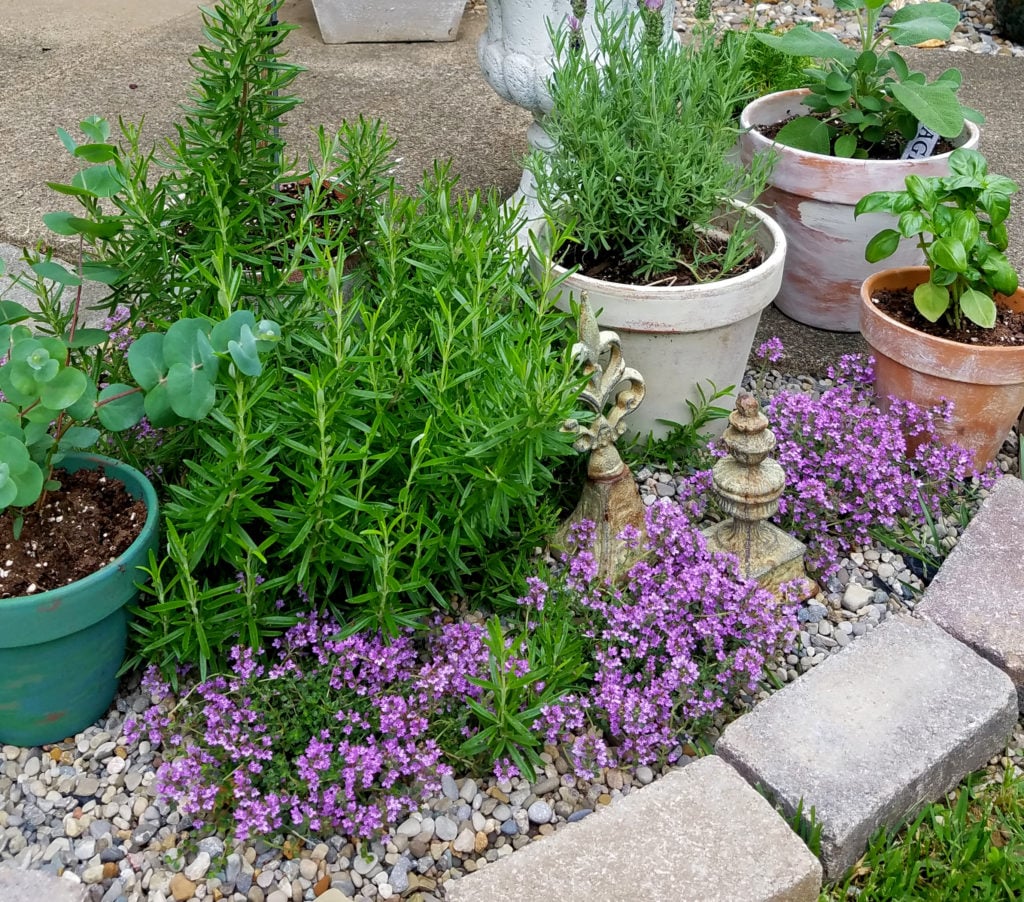
When you’re laying a path, think about where it’s going. A straight path feels direct and purposeful, while a curved one adds a touch of grace and mystery. For patios, consider what you’ll be doing there. A big, open space is awesome for entertaining, while a smaller, cozier nook can become your quiet reading corner. Proper installation is super important for things to last. You can set stones in a bed of sand for a permeable surface or use mortar for a more permanent, solid foundation.
Garden Walls and Raised Beds
Stone walls and raised beds bring a strong sense of structure and depth to any garden. They do more than just divide up space. They create different levels, help manage slopes and provide beautiful, practical frameworks for your plants. A low stone wall can define the edge of a patio or garden bed, while a taller retaining wall can turn a steep, unused hillside into a series of lovely, terraced planting areas.
Building with stone lets you create features that look like they’ve been part of the landscape for centuries. A dry-stacked wall, built without mortar, has a rustic, classic charm and allows for excellent drainage, making it a great choice for retaining walls. Mortared walls offer more structural strength and a cleaner, more formal look. When you’re planning your project, it’s smart to chat with reputable garden wall stone suppliers who can help you pick the right type and amount of stone for what you need. They can tell you if you should go for rugged fieldstone for a country-style wall or precisely cut blocks for a more modern design.
Raised garden beds made from stone are another fantastic addition. They not only look stunning but also offer practical benefits. Lifting the soil level improves drainage, which is vital for many plants, and means less bending and kneeling, making gardening easier and more fun. A stone border for your veggie patch or flower bed is a durable and beautiful solution that will truly last a lifetime.
Adding Water Features or Fire Pits
To really turn your garden from just a yard into your own personal sanctuary, think about adding a focal point that appeals to your senses. Natural stone water features and fire pits are two of the most impactful things you can introduce. They create gathering spots, offer soothing sounds or comforting warmth and stand alone as gorgeous sculptural pieces.

7.5 Inch Round Firepit Bowl Outdoor and Patio
A water feature can be as simple as a bubbling boulder or as grand as a cascading waterfall flowing into a small pond. The sound of moving water has a calming effect that can block out unwanted neighborhood noise and create a peaceful vibe. Stone is the perfect material for surrounding a pond or forming a waterfall, as it looks natural and holds up well to constant moisture.
Alternatively, a stone fire pit can become the heart of your garden, offering a cozy spot for hanging out with family and friends on cool evenings. Stone is naturally fire-resistant, making it the safest and most durable choice for building a fire pit. A rustic ring of boulders or a more formal, square design made from cut stone both create a fire pit that adds warmth and light that lets you enjoy your garden much later into the night. When planning this feature, always put safety first by choosing a spot far from any buildings or flammable materials.
Image Credit: Unsplash
Maintaining Natural Stone Beauty
One of the best things about natural stone is how little upkeep it needs, but a little care will keep it looking its best for decades. The most important regular task is simply sweeping. Regularly clearing away leaves, dirt and other organic bits stops them from breaking down and staining the stone or encouraging moss and algae to grow in damp, shady spots. An occasional rinse with a garden hose can wash away accumulated dust and pollen.
For tougher dirt or the first signs of green growth, a gentle cleaning solution is usually all you need. A mix of mild soap and water applied with a soft-bristle brush can tackle most grime. For organic stains or algae, a solution of water and white vinegar can work wonders. It’s best to steer clear of harsh, acid-based chemicals and pressure washers, as they can damage the surface of some stones and erode the mortar between joints.
Depending on the type of stone and where it is, you might want to think about applying a sealant. Porous stones like sandstone and limestone, especially on a patio where food and drink spills are likely, can really benefit from a good quality stone sealer. A sealer will help stop stains from soaking into the stone and make cleaning outdoor natural stone much easier. It’s a simple step that protects your investment and keeps your stone features looking pristine.
Choosing the right stone and giving it just a little bit of care helps you create a garden that’s not only beautiful and functional but also a lasting tribute to the timeless appeal of natural materials. Your stone paths, walls, and features will age gracefully, developing a rich patina that only makes them more charming over time.