
Buying a home is one of the most significant steps anyone can make in their lives. As exciting as it is, however, it also comes with more than a few responsibilities. You’ll need to spend time and effort on quite a few home maintenance tasks every year.
Browsing Category:
Home Improvement and DIY
- Preserving your property value.
- Saving you money in major, and expensive, repairs.
- Improving your home’s energy efficiency.
- Keeping your home functional and comfortable.
- Extending the lifespan of your home’s major systems.
It’s exciting to move into a new home, isn’t it? There’s this mix of joy, anticipation, and honestly, a little exhaustion that sneaks in. You expect to be ready to just walk in and live, but first, there are some things you’ll have to tackle, as the excitement can quickly turn into chaos. You’ve learned this the hard way, and here are a couple of tasks that really make that first week, or month, even a little less frantic. This post contains affiliate links.

Buying a home is often the largest investment you’ll ever make. You could even need to take out a significant loan to pay for it. It’s worth making sure you actually put the time and effort into protecting that investment as time goes on, which means looking after your home.
As obvious as this sounds, countless people feel overwhelmed by this, and it’s easy to see why so many people get stressed. But, more than a few home maintenance tips can help with this, with some of them having a lot more of an impact than others.
They’re more than worth using because of the impact they can have.
Why Do Home Maintenance?
If you don’t have many issues around your home, you could wonder why you should put too much time and effort into maintenance. Even if you don’t need to get many repairs done as it stands, it doesn’t mean home maintenance wouldn’t offer you any benefits.
One of the more notable of these is that you shouldn’t have to deal with too many repairs as time goes on. It’ll help you keep avoiding any potential issues. Then there are the multiple other benefits it could offer, like:
Some of these could have a whole lot more of an impact than others, making them more than worth focusing on. By doing so, you can ensure that make sure your house is in the best condition possible.
Home Maintenance Tips
1. Test Refrigerator Door Seals
Your refrigerator will get quite a bit of use every day, even if that just means opening and closing it anytime you need to get something out of it. What you mightn’t have realized is this can wear down the door seals more and more. These are responsible for keeping the cold air inside your fridge and the warm air out.
The more worn down the seals are, the less they can do their jobs. Test them regularly to make sure they’re actually working properly. If they’re not, it might be time to replace them. This isn’t too hard, and you can get replacement seals in most home improvement stores without needing to spend too much.
2. Check for Signs of Water Damage
Water damage doesn’t pop up a lot, but it can be vital to take action as soon as you notice it. It’s usually the sign of a leak or other plumbing issue somewhere in your home, and you’ll need to deal with it as quickly as possible. This starts by checking for signs of water damage regularly. Bathrooms, basements and roofs are the main areas of concern with water damage. Keeping gutters in good working order can also help prevent any water issues.
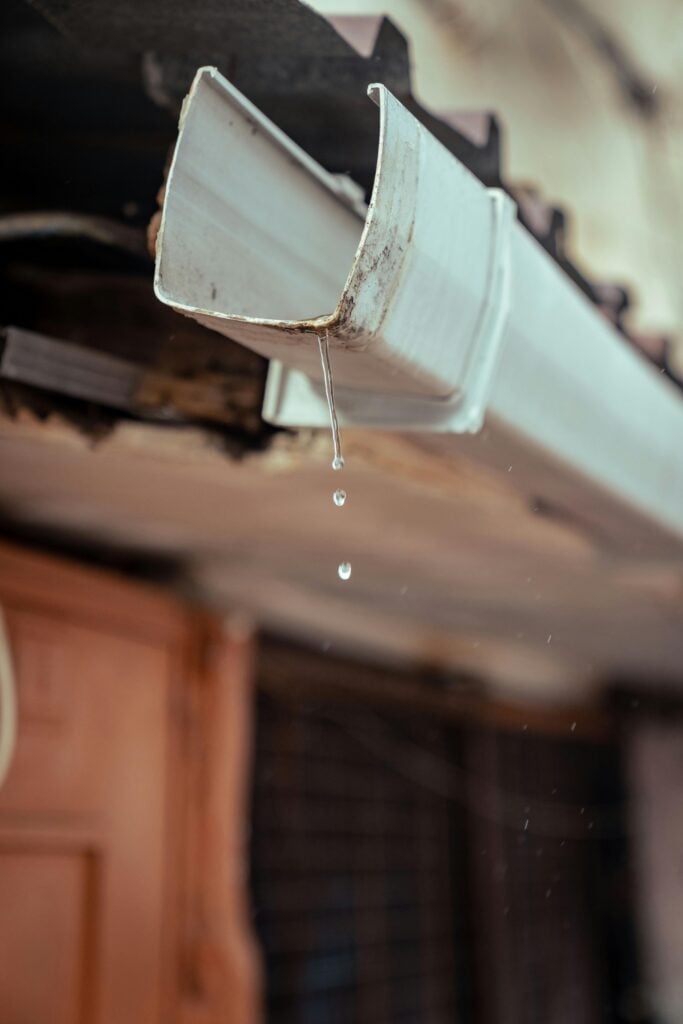
Should you notice any, get a plumber in to check your system and deal with any issues that come up. After that, it’s worth dealing with the water damage itself, which shouldn’t be too complicated. Look into water damage restoration specialists, and you shouldn’t have anything to worry about.
3. Caulk Your Windows
You mightn’t have paid too much attention to your windows since they were installed, other than to clean the glass. But, that doesn’t mean they don’t need a bit of attention. The caulk around them can get worse and worse as time goes on. This leads to a draft and more than a few other issues.
Be on the lookout for any missing or damaged caulk, especially in the lead-up to winter. If there is any, replacing this doesn’t have to take too long. Even if you’re taking your time with it, it shouldn’t take more than a few minutes to caulk around each window. You’ve no reason not to get it out of the way.
4. Inspect the Roof
Despite how important it can be, your roof is one of the more overlooked parts of the home. This often ends up in quite a few problems as time goes on. It’s easy to see why, as the roof goes through quite a bit of wear and tear during the year. While this starts small, it builds up over time.
Even something as minor as a damaged or missing shingle could be enough to lead to water damage in the attic and more than a few other issues. Avoid this by inspecting your roof regularly and getting any damage fixed as early as possible, no matter how minor it could seem.
5. Replace Your HVAC Filter
Your HVAC unit gets quite a bit of use throughout the year, and it’ll need a decent bit of TLC because of that. This doesn’t always mean getting a professional to give it a once-over, though. Instead, there are a few HVAC maintenance tasks you can do yourself, especially when it comes to the filter.
This gets more and more clogged up as time goes on, which leads to your HVAC unit being less effective and could be a bit of a fire hazard. Replacing the filter, however, doesn’t take too much time or effort, and it’s one of the main ways you can make sure your unit stays in great condition.
Summing it Up
Looking after your home and putting the time and effort into maintenance offers more than a few benefits. It preserves your property value, helps you avoid expensive repairs, and makes sure your house is as comfortable and functional to live in as possible.
This doesn’t even need to be too hard to do. More than a few home maintenance tips can help with this, and they could end up making looking after your home as easy and stress-free as possible. There’s no reason not to use them.
Most people don’t wake up one morning excited about renovating their bathroom. It usually starts smaller than that. A drawer that never closes properly. A shower that never quite feels warm enough. Grout that stays slightly discolored no matter how much you scrub. Over time, these small irritations pile up, and suddenly the bathroom feels less like a place to reset and more like a chore you pass through twice a day.
A bathroom renovation is rarely just about looks, although looks matter. It’s about flow, comfort, and whether the space supports your daily rhythms instead of getting in the way. And that’s something worth slowing down and thinking through properly.
Starting With How You Actually Use the Space

Before tiles, before fittings, before inspiration boards, it helps to step back. How do you really use your bathroom? Not how it looks in magazines, but how it functions on rushed mornings or late nights when you’re half awake.
Do multiple people need access at the same time? Is storage always a problem? Do you avoid baths entirely or wish you took more of them? These questions don’t feel glamorous, but they shape everything that follows.
Some homes need a bathroom that’s tough and practical above all else. Others need something calmer, softer, more spaced out. Neither approach is better. What matters is honesty about what you need now, not what you thought you’d want five years ago.
Layout Changes and the Domino Effect
Once you start shifting layouts, everything tends to ripple. Moving a toilet changes plumbing. Moving a shower can affect ventilation. It’s not always obvious at first, which is why renovations can feel intimidating.
Sometimes, keeping the existing layout but refining it makes the most sense. Other times, a reconfiguration unlocks the room in a way you didn’t expect. More natural light. Less wasted corner space. Better movement. This is where patience matters. Rushing layout decisions often leads to small regrets later. A door that swings the wrong way. A sink that feels just slightly too cramped. These things don’t ruin a bathroom, but they linger.
Choosing Materials You’ll Still Like Later
Bathroom materials get tested every single day. Heat, moisture, cleaning products, bare feet. It’s not enough for things to look good on day one.
Tiles are a big example. Bold patterns can be tempting, and sometimes they’re exactly right. Other times, something quieter provides a backdrop that doesn’t exhaust you over time. There’s no formula here, just a need to imagine living with those choices morning after morning.
The same goes for fixtures. Matte, chrome, brushed finishes all age differently. Some show water spots immediately. Others hide them better. Living honestly with your tolerance for maintenance helps guide these decisions more than any trend.
Lighting Changes How Everything Feels
Lighting doesn’t always get the attention it deserves. A beautiful bathroom can feel flat or harsh if the lighting isn’t right. And a modest bathroom can feel surprisingly welcoming with thoughtful light placement.
Layered lighting often works best. A general overhead light, softer lighting near mirrors, maybe something warmer for evenings. It doesn’t need to be complicated, but it does need intention.
Shadows, glare, and colour temperature all affect how comfortable the space feels, especially early in the morning or late at night. This is one area where small adjustments make a noticeable difference.
Storage That Doesn’t Fight You
Storage sounds boring, but it’s quietly transformative. A bathroom with nowhere for everyday items quickly feels cluttered, even if it’s beautifully designed.

Think about what needs to live in the space full time. Towels, toiletries, medication, appliances. It doesn’t all need to be visible, but it does need to be accessible.
Vanities with drawers instead of cupboards tend to make life easier. Recessed shelves in showers reduce clutter. Sometimes even a single extra cabinet changes how the room feels. These are practical choices that pay off daily.
The Emotional Side You Don’t Expect
Renovating a bathroom touches routines in a surprising way. It interrupts habits you didn’t realise were comforting. And when it’s done, it subtly reshapes how you start and end your day. A well planned renovation can bring a sense of relief you don’t expect. Things work smoothly. The space feels calmer. You’re less aware of it, which is sometimes the highest compliment.
That doesn’t mean everything needs to feel luxurious. It just needs to feel considered. There’s room for indulgence if you want it, like a jacuzzi bathtub, but functionality still matters more than any single feature.
Budgeting Without Regret
Budgets are where anxiety creeps in. It’s easy to underestimate costs or get swept up in upgrades that don’t actually improve your experience.
Prioritising helps. Spend where it affects daily comfort or long term durability. Save where the impact is mostly visual or easily changed later.
Also allow a contingency if you can. Older homes especially have a way of revealing surprises once walls are opened. Planning for that reality reduces stress and rushed decisions.
A bathroom renovation done thoughtfully doesn’t have to be extravagant. It has to be intentional.
Working With Professionals or Going It Alone
Some people enjoy managing renovations themselves. Others prefer handing coordination to professionals. Both approaches can work, depending on your time, patience, and tolerance for uncertainty.
What matters most is communication. Clear expectations, timelines, and decisions prevent most issues before they grow. Asking questions is part of the process, even if they feel basic. Remember that this is your space. You’re allowed to pause, adjust, and rethink things along the way. Renovations aren’t linear, even when plans are solid.
Living With the Results
Once the dust settles and the tools are gone, the bathroom becomes part of your life again. That’s when the real evaluation begins. Does it feel easier to move through your day? Do mornings feel less rushed? Does the space invite you to slow down sometimes? These subtle shifts matter more than how it photographs.
No renovation is perfect. There will always be small compromises or things you’d tweak next time. But if the space supports you quietly and consistently, it’s done its job.
Renovating your bathroom isn’t about creating something flawless. It’s about shaping a space that feels right for the life you’re actually living now.