
With the increase in natural disasters and storm world wide, it has become more apparent than ever that preparing our homes to be st0rm ready to the best of our ability should be a top priority. Here are some important tasks to take care of around your home, inside and out so you will be ready if disasters strikes.
Browsing Category:
Home Improvement and DIY

There’s something weirdly romantic about the idea of rescuing an old, forgotten house. You see a dusty “For Sale” sign, peek through the windows, and start imagining it as your dream home. It just sounds like one of those fantasies, right? Well, when there are beautiful fantasies, there are those harsh realities too. That same dream home might also come with cracked pipes, a smell you can’t quite place, and a family of raccoons living rent-free in the attic.
Of course there’s plenty of household-oriented problems that every new (or old) house will have. But when it comes to a house that’s been vacant for years, well, it’s just a whole other level. Buying a house that’s been sitting empty for years can be rewarding, but it’s definitely not for the faint-hearted. What looks like a good deal on paper can turn into a full-time project in real life.
With that said, if you’re a real estate investor, then a full-time project might be just what you’re looking for. It’s for these kinds of properties that fix and flip loans, which can help cover the costs of acquisition and renovation, were invented. So while major work may be required, they might present a great opportunity for investors looking to earn a quick profit.
The Hidden Stories Old Homes Tell
Every house has a story, and vacant ones usually have a few chapters you don’t discover until after you’ve signed the papers. Actually, that 1980s Tom Hanks movie called The Money Pit might actually be the best example (granted that movie has plenty of embellishments). But there are things to just keep in mind, like long-term neglect takes a toll. Plumbing dries out, roofs leak, pests move in, and lots of mold too. Basically, things that might have been small issues years ago have now had all the time in the world to turn into major problems.
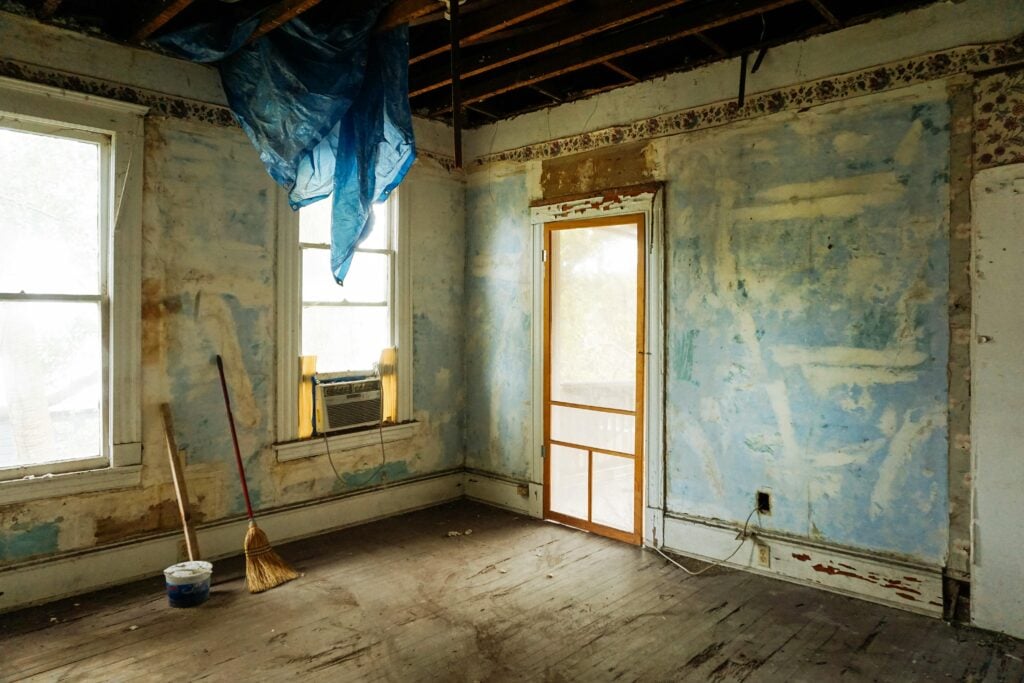
That’s why inspections are so important, like a thorough one. But even after an inspection, if you’re still interested, then you’ll need to keep in mind that you’ll need to add additional services, be it biohazard cleanup, pest control, mold removal services, and the list could just go on and on forever. Plus, these special services cost a lot of money too, so there’s that to think about.
Nature Always Finds a Way
If you leave a property empty long enough, nature starts moving in. It’s beautiful, yet scary too. It’s usually things like plants sneaking through cracks (specifically English Ivy), moisture builds up, maybe some moss, and fungi eventually start sprouting. Sure, it’s impressive in a “look at what nature can do” kind of way, but not so much when you’re the one footing the repair bill.
But on top of all of that, humidity is a huge factor, especially in warmer climates. It doesn’t just cause that musty smell that everyone absolutely hates, but it also weakens wood, rusts metal, and, of course, this invites mold too. And of course, fixing it means more than just opening windows. You’ll need proper ventilation, maybe even dehumidifiers nonstop, and yes, all of that just adds up to so much money and time. Is it honestly worth it at that point?
The Money Pit Problem
Just like that Money Pit movie mentioned earlier, yeah, this vacant house could also be one. It’s easy to fall for the lower listing price. A vacant home almost always looks like a bargain compared to newer properties (just like that movie). But once you start fixing things, costs can skyrocket faster than expected. It’s things like old wiring, ancient plumbing, outdated heating systems, and none of these are cheap to replace.
So, before buying, make sure the budget includes more than just the sale price. You’ll want a cushion for repairs, surprises, and anything that turns up mid-renovation. Because something will turn up. It always does.
A survey by This Old House revealed that nearly 50% of US homeowners are planning to revamp their abodes in 2025. Remodeling has several benefits, but there are also risks. For many people, updating and modifying their homes can be stressful. Here are some essential dos and don’ts to help you navigate the process with minimal hassle. *This post contains affliate links.

Home remodel dos
When you renovate your home, it’s natural to want to achieve fantastic results without any stress. These guidelines are designed to help you achieve this goal. Here are some steps to follow:
Set a budget
Setting a budget is critical, no matter how big or small the project. If you’re modernizing or altering your home in any way, you should be aware of costs from the outset. The cost of home renovations can vary enormously, from hundreds to thousands of dollars. Before you start making plans, hiring contractors, or buying products, figure out how much you want to spend.
The best way to get an accurate idea of how much projects cost is to compare multiple quotes and explore different ideas and options. If you have a figure in mind, you can adapt and adjust plans in line with your budget, or explore alternatives.
When you think about your budget, consider adding value as well as sticking to a spending limit. You don’t want to spend more than you’re adding, especially if you plan to sell the property in the near future.
Hire the best local businesses and contractors
It can be daunting to put your trust in people you don’t know, particularly with an investment as important and financially significant as your home. One way to reduce risks and achieve peace of mind is to hire the best local businesses and contractors.

Whether you’re updating your bathroom, creating new living spaces, revamping the kitchen, or converting your attic, it’s wise to take your time to research extensively, get recommendations from others, and compare service providers and quotes. The Internet is an incredibly valuable tool for finding the best bathroom remodel contractors, local building companies, kitchen designers and fitters, and top architects. You can use websites that connect you with highly rated local professionals, read verified reviews and testimonials, and view virtual tours, galleries, and portfolios.
If you’re moving to a new area or you don’t know anyone who could recommend local contractors, explore social media groups in your neighborhood. They are often brilliant resources for referrals and recommendations.
Before you hire a contractor, get a full, written quote, check insurance, accreditation, and licenses, and ask about payment options. It’s best to avoid paying anything apart from a down payment until you’re happy with the work and the job has been completed. Red flags to be wary of include negative reviews and feedback, no reviews, no company information online, and reports of unfinished jobs, poor communication and customer service, and low-quality workmanship.
Get a clear picture of what’s ahead
There are many different types of renovation projects, with varying timescales and tasks. It’s beneficial to get a clear picture of what’s ahead if you’re revamping your home. Depending on the nature and scale of your project, you may need to take time off to manage the build, move out of your home temporarily, or figure out how you’re going to navigate not having a bathroom or kitchen for a few days or weeks. Once you know what you’re dealing with, you can start making plans to ensure the renovation period runs as smoothly as possible.

Home remodel don’ts
Just as there are several steps you can take to maximize the success of a remodel, there are also things you can do to avoid stress and eliminate risks. Here are some essential don’ts:
Opt for the lowest quote automatically
We all want to save money, but the lowest quote doesn’t always offer the best value. Before you accept the cheapest offer, compare all the quotes you have, analyze each one, and see what you’re getting for your money. Limit your options to reputable, trustworthy companies with an excellent track record and high review scores, and weigh up the pros and cons based on your needs and preferences. You might find that paying slightly more speeds up the process or enables you to access better-quality materials or a higher level of expertise, for example.
Follow trends that don’t suit your taste or requirements
It’s very easy to get carried away with interior design and home remodel trends in the age of Instagram and Pinterest. The trouble is that what suits one person may not suit another. When you’re conjuring up plans and ideas, think about what you like, what you need, and what you want. Open-plan living is a great example. Some people love open spaces and they transform the way they use their homes. For other people, they simply don’t make sense for their lifestyles or suit their aesthetic preferences.
Underestimate costs
One of the biggest mistakes you can make when renovating your home is to underestimate costs. When you’re budgeting and making calculations, ensure you incorporate everything and always round up, rather than down. Check every quote, invoice, and bill, ask for itemized breakdowns, and make sure you add any extras, such as taxes or charges that aren’t included in the quote. If you miss expenses, forget to add taxes, or round down, the final figure could be far higher than you anticipated. If you have any doubts, it’s always best to overestimate and double-check costs before you place any orders or make payments.
Image courtesy of https://www.pexels.com/photo/person-counting-cash-money-4475525/
Renovating your home can help you create living spaces you love and add value to your property, but there are pitfalls to avoid. If you’re eager to start planning, it’s beneficial to set a budget, search for the best contractors and companies, and get a clear idea of what the project entails and how long it will take. Avoid underestimating costs, opting for the lowest quote automatically, and following trends that don’t cater to your preferences and requirements or suit your lifestyle.
Your home should be your sanctuary and a place that you love spending time. It’s easy to get distracted with other to-dos and put off attending to your home and upkeeping it over the years. However, it’s important to do so if you want to add value and keep it on trend. Now is the perfect opportunity to gather some ideas as to what you can do that will have a positive impact on the look and feel of it. Here you can review four home improvement projects that are worth the effort and money. *This post contains affiliate links.