

Most interior problems introduce themselves only after they’ve been growing from the outside in for months. The leak that shows up as a stain, the draft chill you cannot quite pin down, and the squeak in floorboards from something shifting underneath long before you hear it.
The outside, as you can imagine, breaks down faster than the interior does, but it’s not a fast degeneration like interiors can be due to wear and tear. It’s a slow degradation that happens just out of sight, unnoticed until it’s gone a little bit too far.So what do you need to fix or focus on to help you keep your external areas looking and working as well as the interior?
Roof
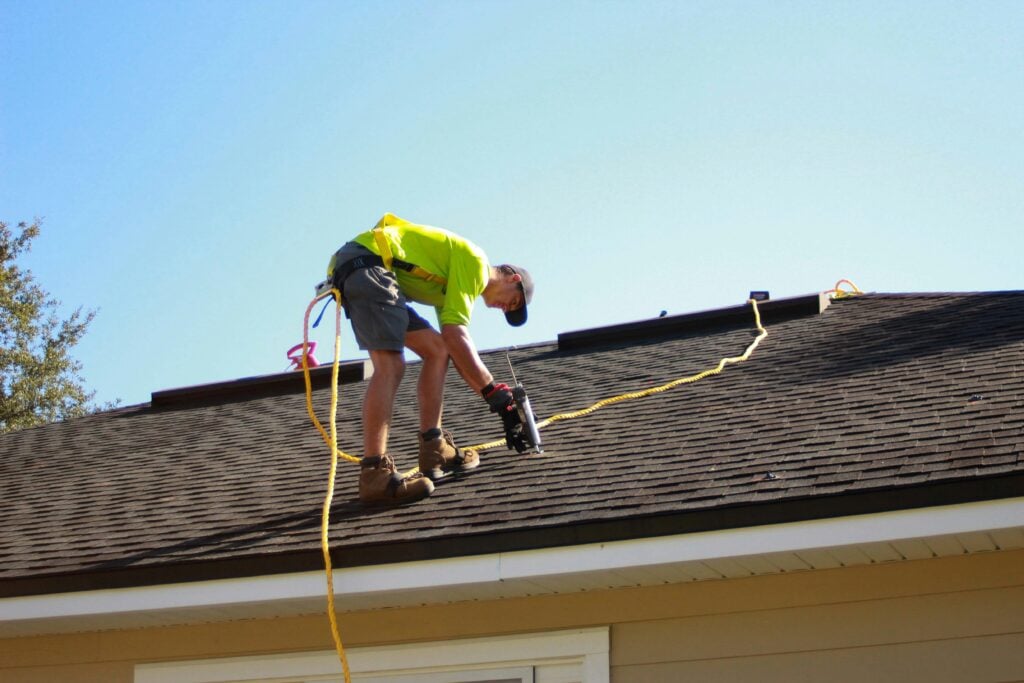
Roof repairs are vital because the roof is the protection of the entire building. A single shingle lifting can be all it takes to welcome a disaster. And for the most part, you won’t see the damage to the building until it’s too late — a lifting shingle that behaves until a storm hits, exposing the insulation underneath, which then starts to deteriorate along with the integrity of the roof.
The solution? Check your roof regularly — twice a year minimum, but especially before and after bad weather, so you’re fixing anything damaged as soon as you’re aware of it. Don’t forget to check around the chimney too — wind loves to catch there and cause mischief.
A roof only becomes a “roof problem” when you’re cleaning up the damage a small repair makes because you didn’t get it sorted.
Gutter and Downspout Maintenance
Far from a glamorous job, but your gutters perform important tasks, and if they’re not up to the job, you’ll know about it.
The thing is, their sole purpose may be to move water away from your property, but for the most part, that’s not the only thing they move. Debris, from the environment — leaves, animal waste, and damage, etc — can accumulate in your gutters for any reason, and as this builds up, it slows the water and stops the gutters from doing what they’re supposed to.
Before you realise anything is wrong, there’s water spilling over the edges like a waterfall, and your walls are getting a soaking they didn’t ask for. Next thing you’ve got damp, mold, and the ground is waterlogged, opening you up to potential foundation or basement problems too.
The fix? Get your ladders out periodically — maybe when you check the roof, but most definitely before and after storms — and glance an eye over your gutters to check for any blockages, loose fittings, or cracks. Check downspouts lead away from your property, and you do not have pools of water stagnanting around the bottom. And if you do? Fix it now before things get worse.
Re-Caulking Windows and Doors
Drafts steal heat and spike bills. They also drag moisture through gaps, and that’s when rot begins in silence.
Press your hand around the frame on a windy day — if the air moves, so should you. Swap out the cracked caulk, and replace the weatherstripping that flakes when touched. Tiny job, big savings — the average household sees energy use from drafts increase by around 5 to 30%.
Repaint Exterior Wood and Trim
Peeling paint isn’t just ugly — it’s a warning sign. Wood without protection softens, swells, and invites insects that view structural lumber like an all-you-can-eat buffet.
Touch-ups matter here. A strip of paint now saves the whole frame from needing to be rebuilt later. The moment wood feels exposed, the weather has already begun to do its damage. If the damage or peeling paint is more extreme, check that the wood is still in good condition and doesn’t show signs of rot before painting. This will stop you from simply covering over rotten wood that can cause major headaches a few months or years down the line.
Check Drainage
Water follows terrain — and unfortunately, terrain isn’t always shaped to help you. When it slopes in the wrong direction, moisture pools and begins to erode against your property.
This is where you need to check drainage, and if you’re in need of a new solution, get it installed sooner rather than later.
A great option is a trench drain, which can move water away from the property and provide your home with much-needed defenses. Companies like Trench Drain Co. provide systems built to stop these exact issues before they impact the foundation or below-ground rooms.
While it’s not the upgrade that impacts your home aesthetically, it’s the one you’ll be grateful you invested in when you’re facing your third storm in as many weeks, and your basement does not flood, or your home doesn’t succumb to excess water infiltrating its defences.
Check Exterior Outlets and Light Fittings
Weatherproof covers need to sit tight over external electrical outlets because if water manages to breach the cover through cracks or ill-fitting seals, you’ll quickly know your electrical system has sustained water damage.
The same goes for outdoor light fittings, especially those connected to your electrical system.
Any small gaps that let water in can result in complete system failure or massive damage, as you experience shorts or blackouts from water. And no one wants to face the electrical bill to fix the damage, all because you simply didn’t check covers were complete and well-fitted before winter weather rolled in.
Clean Air Bricks and Vent Grilles
Airflow keeps timber dry from below. Block that flow, and all of a sudden, you get moisture sitting around too long, and yep, you guessed it, it welcomes water damage.
The thing is, joists don’t rot from the top first; they go soft underneath, and you will only notice when you experience a sort of tilt to the building that’s slightly concerning, to say the least.
Take your time to move around all the air bricks and vent grilles from the outside. Clean away any buildup from leaves, dust, spiderwebs, etc and ensure your home has appropriate airflow throughout at all times.
While these fixes might not be the fun ones that are Instagram-friendly, they’re the ones that will help protect your home and make sure it’s safe to live in and functional at all times. The more frequently you perform checks. The easier it will be to spot damage and get it rectified before you sustain too much damage.


No Comments